Thinking about selling your Winnetka estate and want it handled with precision, privacy, and a clear plan? You are not alone. Luxury sellers here expect a process that respects their time and maximizes value without unnecessary exposure. In this guide, you will see the step-by-step strategy we use to prepare, position, and negotiate high-end homes in Winnetka. Let’s dive in.
What “luxury” looks like in Winnetka
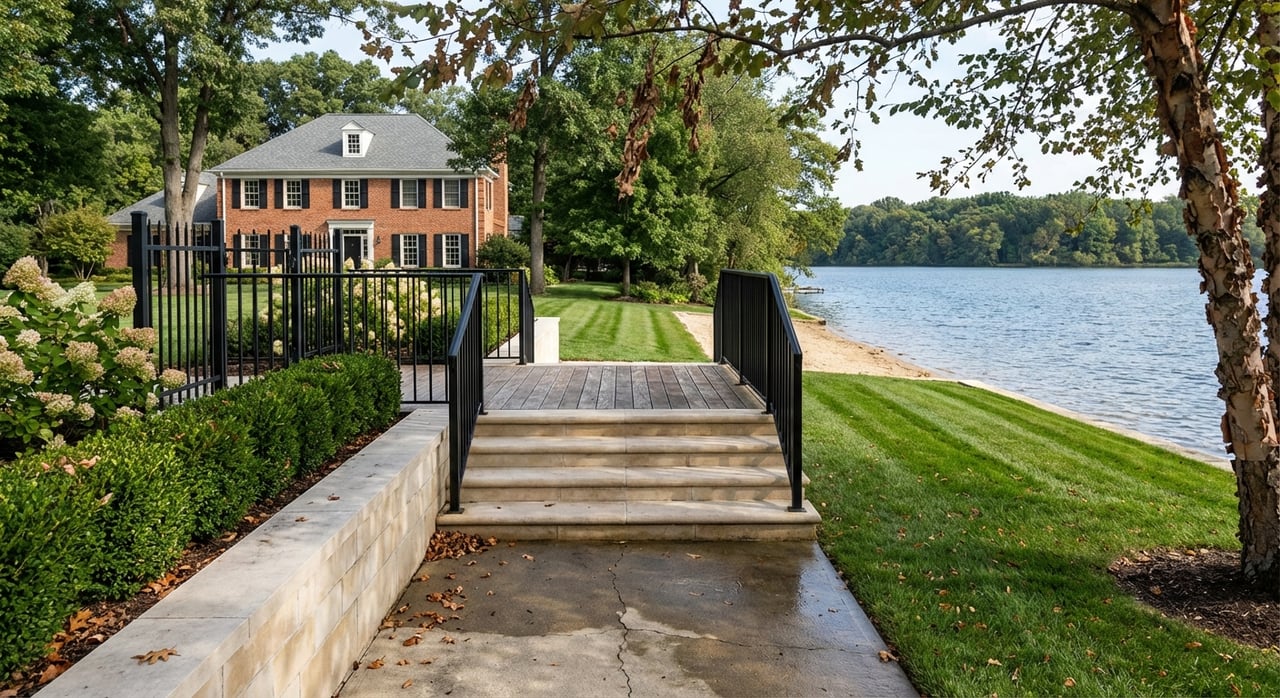
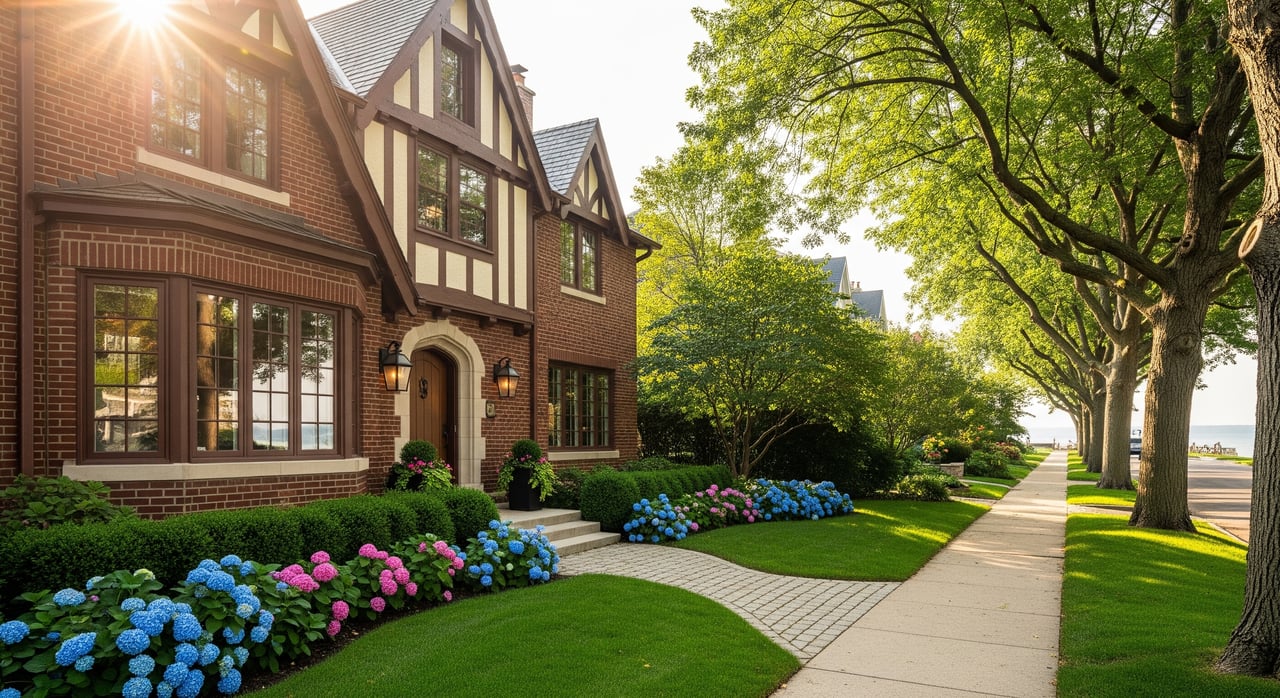
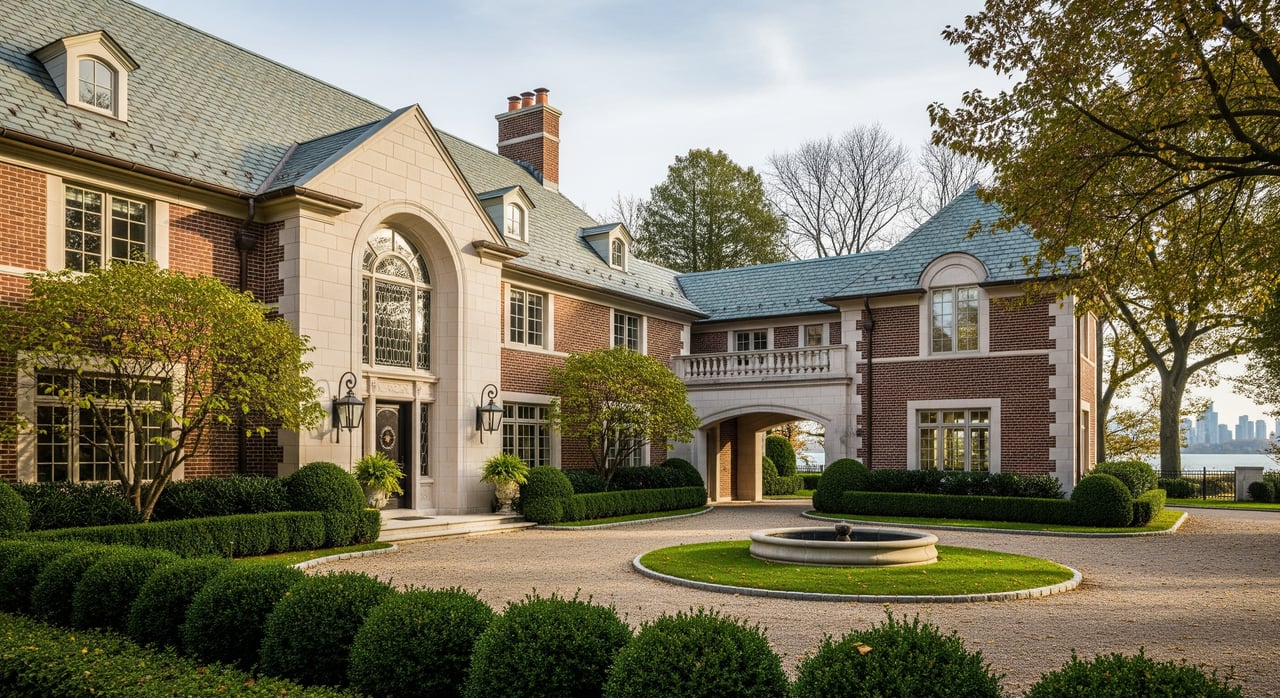
Winnetka’s luxury market includes multi-million-dollar estates, lakefront homes, architecturally significant properties, and custom builds on larger lots. Buyers often value privacy, turnkey function, and thoughtful preservation of original details. Many are local high-net-worth families, executives relocating to Chicagoland, and downsizers seeking a refined, updated residence.
Timing matters. Spring and early summer typically bring strong engagement for suburban estates, though private, off-market exposure can succeed year-round. Financing often includes cash or jumbo loans, which require careful verification and can add appraisal scrutiny for unique properties.
Step 1: Pre-listing due diligence
A thorough upfront review reduces surprises and speeds closing.
- Pre-listing inspections: Structure, roof, HVAC, plumbing, electrical, and pest. Add specialist scopes such as sewer line camera, chimney, pool systems, elevator, or septic if applicable.
- Environmental and safety items: For homes built before 1978, provide the required federal lead-based paint disclosure and pamphlet. Radon testing is common in the Midwest; document remediation if needed. For older estates, address known asbestos or historic materials responsibly, and confirm any floodplain or shoreline rules.
- Document package: Assemble permits, renovation history, warranties, utility bills, and maintenance records. A clear buyer packet builds confidence and limits renegotiations.
Step 2: Elevate presentation
We focus on high-impact updates that respect the home’s architecture and buyer expectations.
- Value-focused refreshes: Neutral paint, polished floors, curated lighting and hardware, and thoughtful landscaping for curb appeal. Refresh kitchens and primary baths if dated.
- Professional staging: Scale-appropriate furnishings that highlight flow, volume, and outdoor living. For estates, stage terraces, patios, and pools.
- Luxury media: Expert photography, twilight images, and drone views to showcase acreage or lake proximity. Include a 3D tour and accurate floor plans. Create a short cinematic video for private distribution and broker presentations.
Step 3: Protect privacy during showings
We tailor access to respect your lifestyle and confidentiality.
- Secure and simplify: Remove valuables, family photos, and sensitive documents.
- Controlled access: Appointments only with vetted visitors. Host or valet service to manage arrivals and protect privacy.
- Confidentiality tools: Use NDAs for high-profile buyers when appropriate, balancing privacy with buyer comfort.
Step 4: Choose your exposure path
The right path depends on your goals for discretion, timing, and price discovery.
- Off-market whisper sale: No public price. We connect with pre-qualified buyers through trusted networks. This protects privacy but may limit the buyer pool.
- Controlled listing with a private preview: Invite-only broker and client previews before going public. You gain early feedback and still control exposure.
- Full public luxury listing: Broad exposure across MLS and luxury channels when the goal is maximum reach and competitive bidding.
Always document seller authorization for any off-market strategy and confirm local MLS cooperation rules before public marketing.
Our private-network reach
- Broker-to-broker outreach: Targeted contact with top North Shore and city agents and curated luxury networks.
- Invite-only previews: Scheduled windows for pre-approved clients, often coordinated with your calendar.
- Concierge introductions: Discreet outreach to relocation departments and private wealth advisors who serve qualified buyers.
- High-end consumer exposure when authorized: MLS syndication and access to luxury channels through our @properties Christie’s International Real Estate affiliation. Targeted digital campaigns can use password-protected details for vetted leads, along with premium print collateral and direct mail where appropriate.
Step 5: Buyer qualification and finance proof
We protect your time by verifying readiness before serious engagement.
- Jumbo and cash verification: Require strong pre-approvals from reputable lenders for jumbo loans. For cash, collect recent proof of funds before advanced showings.
- Pre-screening: Confirm motivation, timeline, and property fit through the broker network. For out-of-state or international buyers, offer live video tours and flexible scheduling.
Step 6: Negotiation frameworks that protect you
Our approach draws on legal training to minimize risk and create clarity.
- Inspection strategy: Share pre-listing findings and decide in advance which repairs you will complete and which you will credit. Consider a home warranty to reduce buyer concerns.
- Appraisal risk management: Unique estates can challenge appraisals. We provide a comp book, detailed improvements list, and support for appraisers. With qualified buyers, we discuss appraisal gap coverage or tailored contingency terms.
- Multiple-offer process: If multiple bids emerge, we organize the review around price, financing certainty, inspection and appraisal terms, timing, and flexibility. Non-price terms like rent-back or closing windows can deliver meaningful value.
- Earnest money and escrow: Structure deposits and timelines to protect your interests during off-market or public negotiations.
Step 7: Timeline and seller reporting
A disciplined cadence keeps momentum and clarity.
- Weeks 0–4: Pre-listing inspections, targeted repairs, staging, media production, and document compilation.
- Weeks 4–6: Invite-only previews and broker outreach with feedback summaries.
- Week 6: Public listing and digital campaign launch if authorized.
- Weeks 6–12: Showings, negotiations, contract ratification.
- Post-contract: Buyer inspections, appraisal, and contingencies. Closings often run 30–60 days depending on financing and title work.
You receive periodic reports with showing counts, buyer profiles, feedback highlights, marketing metrics, and strategy adjustments.
Disclosures, title, and closing in Cook County
Illinois sellers typically provide a written property condition disclosure and comply with federal lead-based paint rules for homes built before 1978. Disclose known structural issues, environmental hazards, unpermitted work, easements, HOA documents, and any floodplain or shoreline restrictions. Confirm any historic-district or preservation covenants that affect renovations or transfers.
Obtain a title commitment early to identify liens, easements, and exceptions. For estate and lakefront properties, a recent survey is highly recommended. Some shoreline rights can be complex, so clarity helps buyers proceed with confidence.
Expect seller-side costs such as mortgage payoff, brokerage commission, title insurance, applicable transfer taxes, recording fees, and prorations for property taxes and HOA dues where applicable. Illinois has a state transfer tax, and Cook County or municipalities may have additional taxes or stamps. For capital gains planning and state tax questions, consult a CPA familiar with Illinois real estate.
The collateral buyers receive
Premium materials improve confidence and shorten decision time.
- Printed and digital brochure: High-res images, property video link for private use, and highlight narrative.
- Detailed floor plans and accurate square footage.
- Maintenance and renovation timeline: With permits and contractor references.
- Area highlights: Neutral, factual notes about neighborhood context and nearby amenities.
- Inspection summaries and warranty proofs: Organized in an on-property binder for easy review.
What you do vs. what we handle
- You: Approve inspections and access, share records and permits, choose your exposure path, set showing windows, and confirm negotiation priorities.
- We: Coordinate vendors and pre-listing work, stage and produce media, run discreet outreach and targeted marketing, vet buyers and financing, manage negotiations and contracts, and shepherd title and closing with your attorney and the title company.
Ready to talk strategy for your Winnetka home?
If you want a boutique, attorney-led plan that respects your privacy and delivers a well-run sale, we are ready to help. Let’s discuss your goals, timing, and the right exposure path for your home. Connect with Bridget Orsic to schedule a free consultation.
FAQs
What makes selling a luxury home in Winnetka unique?
- Large lots, architecturally significant homes, and lake proximity attract buyers who value privacy and turnkey function, which shapes preparation, marketing, and showing strategies.
Should I go off-market or list publicly in Winnetka?
- It depends on your goals; off-market protects privacy with a smaller pool, while a public launch maximizes reach, and a private-preview phase can balance both.
How do you protect my privacy during showings?
- We use appointment-only, vetted access, host or valet management, removal of personal items, and NDAs for high-profile buyers when appropriate.
Do I need a pre-listing inspection for an estate-level home?
- Yes, targeted pre-inspections reduce renegotiation risk, surface repair items early, and provide documentation that builds buyer confidence.
How do jumbo loans and appraisals affect my sale?
- Jumbo financing requires strong pre-approvals and can trigger appraisal scrutiny; we verify buyers, support appraisers with documentation, and structure contingencies carefully.
How long does a Winnetka luxury sale typically take?
- A common cadence is 4–6 weeks of prep and private previews, followed by 6–12 weeks of showings and negotiations, then 30–60 days to close depending on financing and title work.
What disclosures are required when selling in Illinois?
- Sellers typically provide a property condition disclosure and federal lead-based paint documents for pre-1978 homes, and disclose known issues, easements, HOA materials, and any floodplain or shoreline restrictions.