Can you picture starting your day near Lake Michigan, grabbing coffee in a village center, and catching an easy train into the city? If you are considering a move to Wilmette, you likely want the everyday reality, not just the postcard view. This guide breaks down how people actually live here: commuting, schools, parks, dining, costs, and the weekend rhythm. By the end, you will know if Wilmette fits your lifestyle. Let’s dive in.
Wilmette at a glance
Wilmette is a mature North Shore village with a small-town feel and close ties to Chicago. Many households include professionals who commute downtown or to nearby employment hubs. You will find long-term residents, a strong civic culture, and a steady flow of family activities throughout the week.
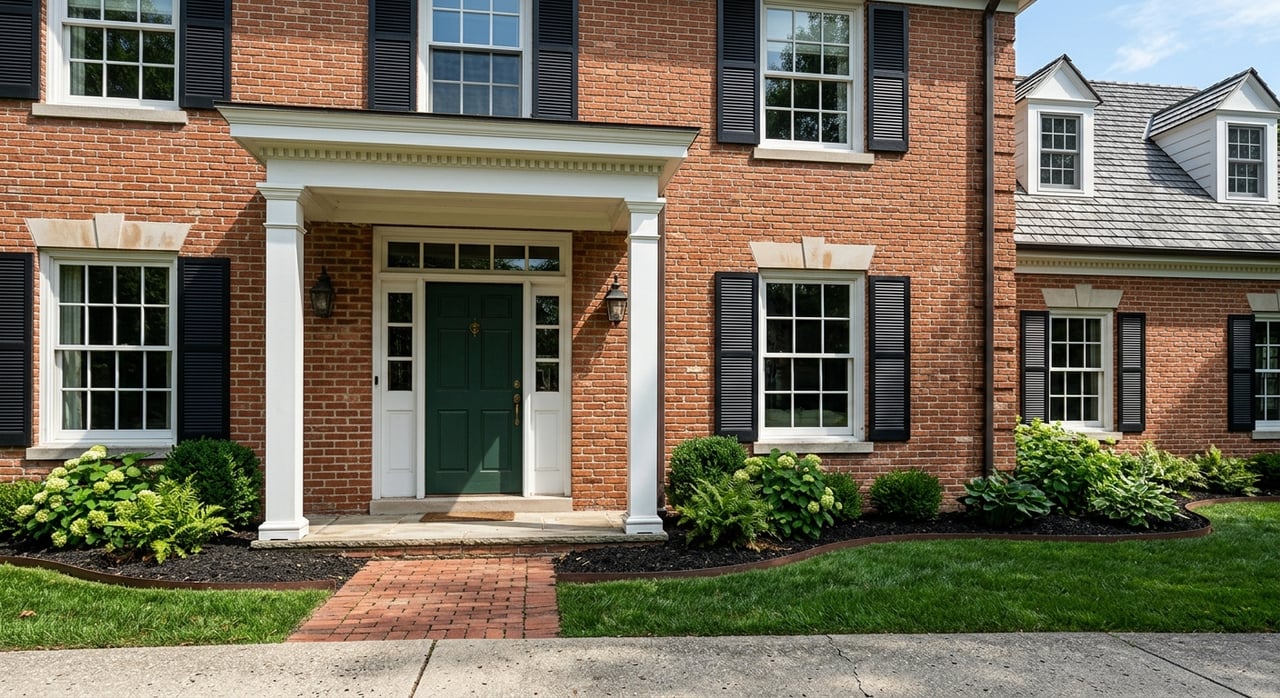
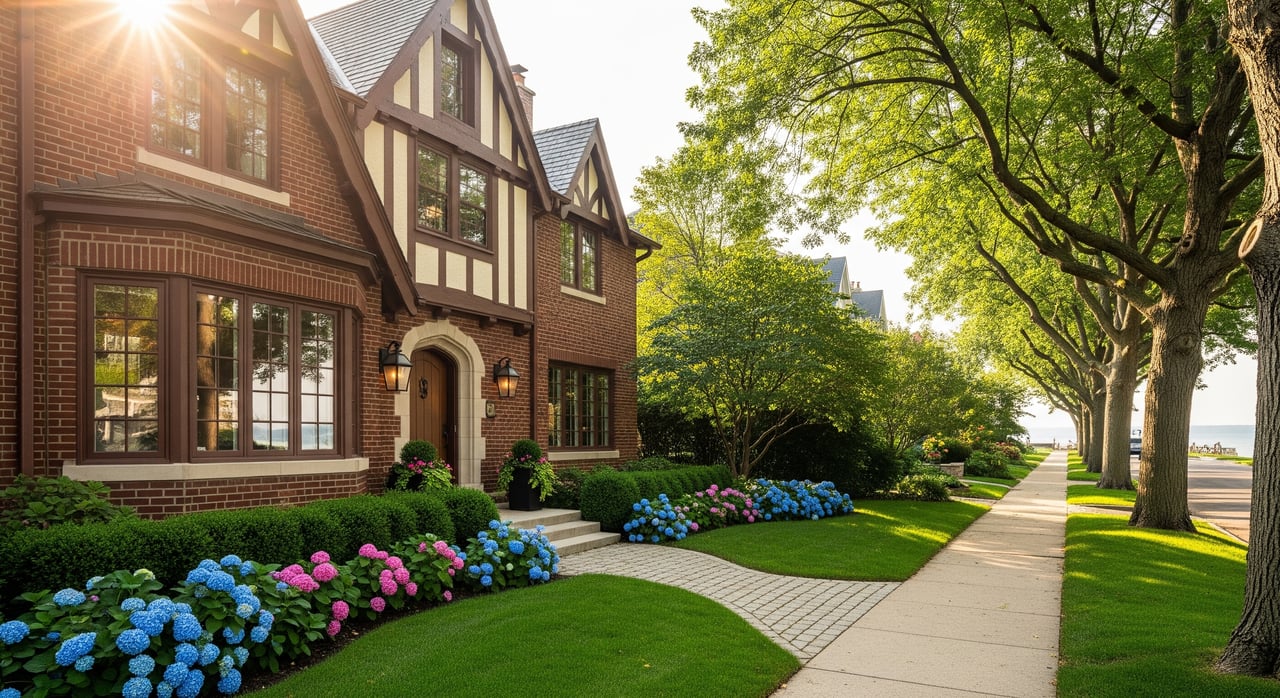
Neighborhoods are mostly single-family homes built in the early to mid-20th century. You will see Tudor, Colonial Revival, and other traditional styles on tree-lined streets. Condos and apartments cluster near the village center and transit stops, which makes errands and dining easy on foot.
Expect a premium for location. Housing costs and property taxes are generally higher than other parts of Cook County, consistent with the North Shore. Proximity to the lake, public schools, and a walkable downtown add to demand and support long-term resale appeal.
Morning rhythms and schools
Weekday mornings revolve around school drop-offs, coffee runs, and the train. Elementary and middle schools in District 39 serve most of Wilmette. Many students attend New Trier Township High School, and private options include Loyola Academy in town. Families also rely on local preschools and daycare centers.
After drop-off, you will see strollers, joggers, and dog walkers on neighborhood sidewalks. The village center wakes up with cafés and small businesses opening for the day. If you commute, you will notice steady foot traffic toward the Metra and the CTA stations.
Commuting and getting around
Train options
Direct rail access is a major benefit. The CTA Purple Line terminates at the Linden station in Wilmette. It connects south through Evanston and, during weekday rush hours when schedules align, offers express service into the Loop. Metra’s regional service links North Shore suburbs to downtown Chicago with frequent weekday trains. Trip times vary by line and time of day, but many riders plan for roughly 25 to 50 minutes.
Driving and parking
Driving to downtown Chicago is feasible via I-94 and Lake Shore Drive, though times swing with rush-hour traffic and weather. Around the village center and near stations, you will find posted on-street parking rules and permit zones. If you plan to park near transit, review village regulations to keep your routine smooth.
Walking, biking, and local mobility
Wilmette is easy to navigate on foot, especially near downtown and schools. Sidewalks and bike-friendly corridors support short trips to parks, shops, and cafés. Local bus routes and regional shuttles connect to neighboring suburbs, hospitals, and shopping centers. Rideshare is common for evening outings or quick station pickups.
Parks, lakefront, and recreation
The lakefront is the heartbeat of summer. Gillson Park anchors much of the action with beaches, walking paths, picnic areas, and a harbor that supports boating and sailing. On warm weekends, families head to the sand early and stay for sunset. The Wilmette Park District programs sports, tennis, pools, and seasonal events, so your calendar fills quickly if you want it to.
In cold months, indoor recreation keeps everyone active. Community centers, ice rinks, and fitness classes offer reliable options when wind and snow arrive. Youth sports and arts programs are popular across seasons, and fields and rinks stay busy well into early evening.
Shopping, dining, and services
The village center brings together independent restaurants, wine bars, cafés, and boutiques with the day-to-day essentials you need. You will find groceries, pharmacies, banks, salons, and professional services within minutes of most neighborhoods. For larger chain stores or big-box shopping, nearby suburbs provide more choices within a short drive.
Seasonal farmers markets and pop-ups add fresh produce and local goods in warmer months. Weekends often include a stop downtown for errands, a bite outside, or a last-minute pick-up before a game or recital.
Schools, library, and culture
Public elementary and middle schools in District 39 have a strong reputation, and many families cite the system as a key reason to choose Wilmette. High school students commonly attend New Trier Township High School, a regional public option. Private school choices include Loyola Academy along with a range of preschools and child care centers.
The Wilmette Public Library is a hub for all ages. You can expect children’s story hours, teen study spaces, and adult programs throughout the week. For culture and architecture, the Baha’i House of Worship stands as a notable landmark and draws visitors year-round. Small galleries, art fairs, and historic venues add variety to the local calendar.
Weekends, seasons, and social life
Summer weekends revolve around the waterfront: beach days, sailing lessons, concerts in the park, and community festivals. Fall brings youth sports and neighborhood events. Winter weekends shift to indoor leagues, library programs, and cozy dinners out, with snow shoveling and slower drives a normal part of the season.
Evenings in Wilmette lean casual. You will find lively restaurants and community events rather than late-night clubs. For bigger shows, specialty dining, or theater, you can head to Evanston or downtown Chicago and be home at a reasonable hour.
Practical costs to plan for
Property taxes and homeowners insurance deserve careful attention in your budget. Proximity to the lake can influence insurance and maintenance needs, so factor that into carrying costs. Park District program fees, village services, and school district levies are also part of everyday expenses.
Flooding and shoreline conditions are important if you are considering homes near Lake Michigan. Review village stormwater guidance and flood maps as part of your due diligence. In winter, plan for snow and ice management, and allow extra time for commutes during storms or deep-freeze mornings.
Lifestyle fit checklist
- Family with school-age children: strong fit thanks to parks, programs, and public school options.
- Daily commuter to the Loop: strong fit if you value train access and a predictable ride.
- Nightlife seeker: moderate fit with a quieter evening scene and easy access to Evanston and Chicago.
- Budget-focused buyer: consider smaller homes or condos and look closely at taxes and insurance.
Community character and involvement
Civic engagement is part of the fabric here. Parent groups, service organizations, and village committees offer many ways to plug in. If you enjoy coaching, volunteering at school events, or shaping local initiatives, you will find a welcoming, organized community.
Healthcare is accessible through local primary care and specialists, with major regional hospital systems a short drive away. That mix keeps routine appointments simple and specialty care within reach.
Is Wilmette right for you?
If you want a lakefront lifestyle with serious train access, a walkable village core, and public schools with strong reputations, Wilmette delivers a clear value. Daily life here feels active but not rushed. You can lean into parks and programs when you want them and enjoy quiet streets when you do not.
If you are weighing a move, you deserve clear guidance on neighborhoods, commuting trade-offs, and carrying costs. For a strategy-first plan that aligns with your goals, connect with Bridget Orsic for a private consultation.
FAQs
Is Wilmette walkable for daily errands?
- Yes. The village center and many blocks near schools and parks support walkable trips for coffee, groceries, and services, with a car used for regional shopping.
How are public schools in Wilmette?
- District 39 elementary and middle schools, along with regional public high school options, have strong reputations; review current district reports for programs and performance.
How long is the commute from Wilmette to downtown Chicago?
- Typical train rides to the Loop range from about 25 to 50 minutes depending on service and time of day; driving times vary with traffic and weather.
Is Wilmette a good fit for families?
- Yes. Parks, pools, youth sports, library programs, and school offerings create a family-friendly routine with many options across seasons.
What do weekends look like in Wilmette?
- Summer centers on Gillson Park, beaches, sailing, and concerts; year-round, you will find youth sports, local dining, shopping, cultural events, and quick trips to nearby cities.