Thinking about selling your Northbrook luxury home and wondering which prep projects are worth it? You are not alone. Sellers want a faster sale and a stronger bottom line without sinking months and six figures into the wrong updates. In this guide, you will learn which improvements usually deliver the best resale recovery in Northbrook’s luxury tier, how to time them, what permits to consider, and a simple framework to decide where to invest. Let’s dive in.
Northbrook luxury market context
Luxury homes in Northbrook do not behave like the townwide median. Buyer expectations are higher, timelines can stretch if a home looks dated, and the best-presented properties still get the most attention. In today’s market, buyers are sensitive to affordability as 30-year fixed rates hover near 6 percent, which means move-in-ready condition and clear value matter more than ever. Recent mortgage-rate data underscores why buyers prioritize homes that minimize future spend.
Because luxury pricing varies by micro-neighborhood and property type, use recent MLS comps in your exact price band to set strategy. Broad portal medians are fine for trends, but they are not precise enough for a $1 million-plus listing. Your update plan should match what top comps in your pocket of Northbrook already show.
High-impact updates to do first
Curb appeal that converts
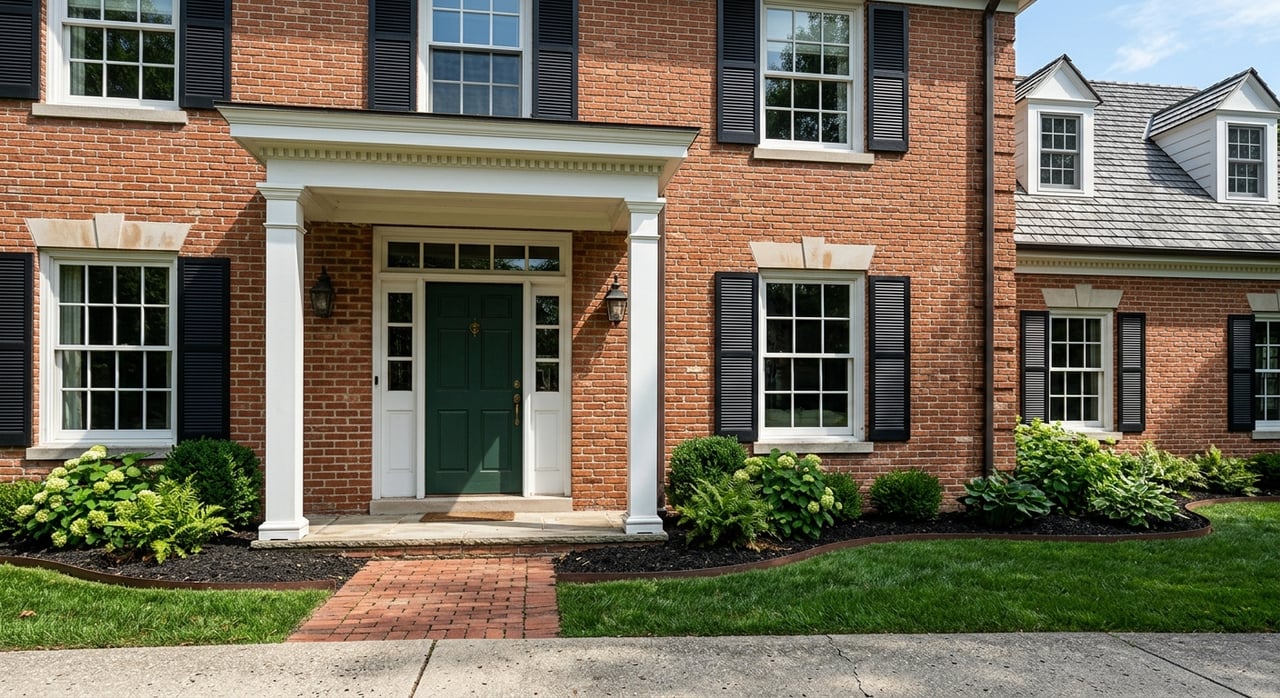
Small exterior projects punch above their weight. National Cost vs. Value research shows exterior items like a new garage door and an upgraded entry rank among the highest percent recoup projects. In 2025, the garage-door replacement category topped the chart with an example recoup around 268 percent. Use this as a directional guide. Your home’s first impression sets buyer expectations before they step inside, so prioritize a premium, style-appropriate door, a crisp entry, and tidy landscaping. Reference: Cost vs. Value Report.
Fresh paint and floors
A neutral, consistent paint palette and refreshed flooring make your home feel clean and move-in ready, and they photograph beautifully. These are fast to complete and appeal to a wide buyer pool. Staging research consistently supports the power of crisp presentation. See the National Association of REALTORS 2025 Profile of Home Staging for impact data on buyer perception and days on market: NAR Home Staging Report.
Staging, photography, and floor plans
In the luxury tier, presentation is a strategy, not an afterthought. Agents report that staging can reduce days on market and increase offer activity, with the living room, primary suite, and kitchen delivering the most impact. Pair targeted or full-home staging with high-end photography and a clear floor plan to widen buyer reach and support premium pricing. Source: NAR 2025 Home Staging.
Strategic mid-tier refreshes
Minor kitchen refresh
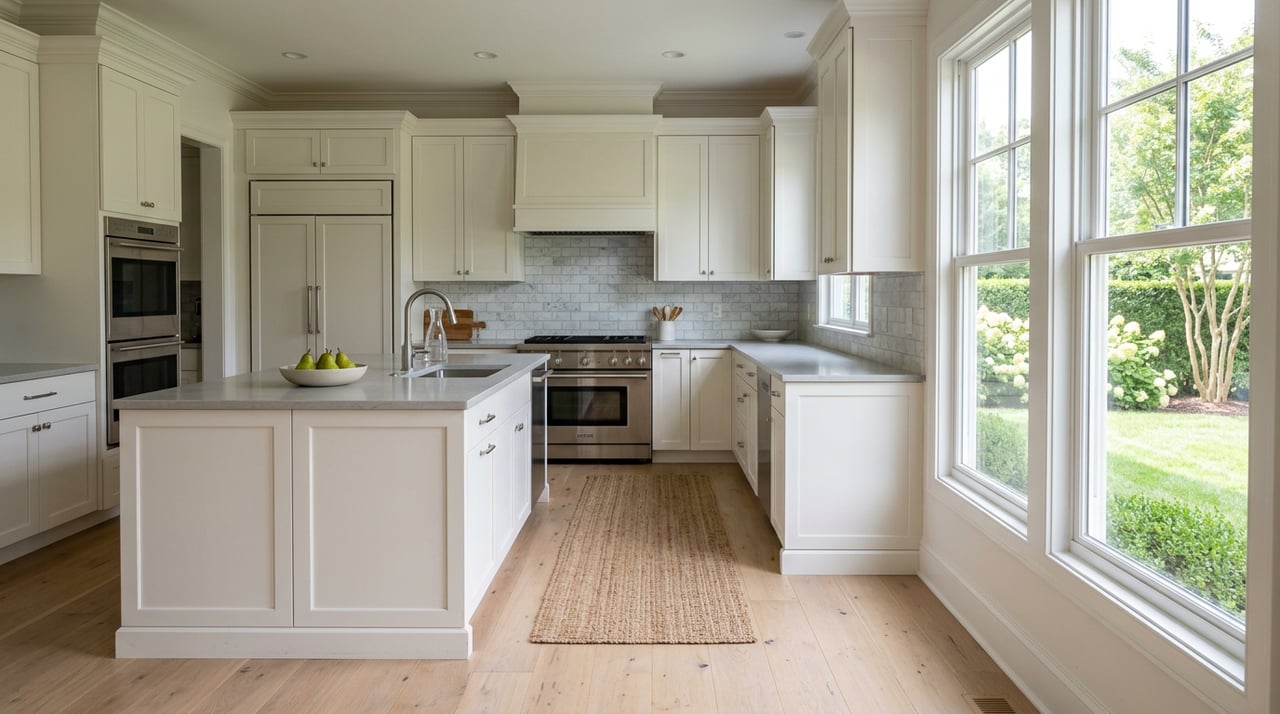
If your kitchen is a step behind top comps, a minor refresh usually outperforms a full gut on percent of cost recouped. Nationally, the 2025 Cost vs. Value report shows a midrange minor kitchen update recouping about 113 percent on average. In practice, this can look like cabinet refacing or paint, modern hardware, quartz counters, coordinated appliances, updated lighting, and a tile backsplash. Keep the layout if it functions well and select neutral, durable finishes aligned with nearby luxury listings. Reference: Cost vs. Value.
Bathroom refreshes
Well-targeted bath updates can yield solid returns. Midrange bath projects recoup around 80 percent nationally per 2025 Cost vs. Value. Focus on the primary bath and any guest bath that feels dated. Think new vanity, resurfaced or retiled shower walls where needed, updated faucets, fresh lighting, and regrouted tile. Avoid over-customizing beyond what your comps support. Source: Cost vs. Value.
Projects to approach with caution
Major remodels and additions
Large-scale kitchen overhauls, primary-suite additions, or extensive hardscape can be beautiful yet risky for resale. Cost vs. Value data shows that major and upscale projects often recoup a smaller percentage than targeted updates. Only greenlight high-cost work if local comps prove that buyers pay a clear premium for those finishes or features. Confirm the neighborhood price ceiling with your agent before committing months of time and six-figure budgets. Reference: Cost vs. Value.
Permits and timing in Northbrook
What typically needs a permit
In Northbrook, structural changes, moved plumbing or electrical, and added square footage almost always require permits. Cosmetic replacements that do not alter structure or systems may not, but you should verify your specific scope. Start with the Village’s Building Permits resource and, for larger scopes, the Single-Family Major Renovation page:
Typical review timelines
Plan review times vary by scope. Simple repairs can be quick. Kitchens, baths, and similar projects often require plan review that can take up to about 10 business days. Large single-family renovations are commonly around 15 business days. Very large projects or new construction can take longer. Build these intervals into your schedule. Source: Village of Northbrook.
A simple decision framework
Follow this repeatable process before spending a dollar.
Step-by-step checklist
- Pull 6 to 12 recent comps in your micro-neighborhood and price band. If your home’s condition trails those comps, targeted updates can support a higher list price.
- Order a pre-listing inspection or contractor walkthrough. Fix safety items and obvious deferred maintenance first, like roof leaks or HVAC issues. This reduces renegotiation risk and failed closings. See the Village resources for renovation guidance: Northbrook permits.
- For each proposed update, estimate total cost, expected price impact based on comps, and time to complete including permits. Use national Cost vs. Value figures as directional benchmarks, not absolutes. Reference: Cost vs. Value.
- Prioritize quick wins with high perceived value and low permit friction. Curb appeal, neutral paint, staging, and minor kitchen or bath cosmetics usually lead this list. Staging data: NAR 2025 Profile.
Carrying cost example
Consider an illustrative scenario. A $30,000 light refresh could support a $35,000 to $50,000 premium based on solid comps. That can make sense, but include carrying costs like mortgage, insurance, taxes, utilities, and the listing timeline. Buyer affordability is a factor while mortgage rates hover near 6 percent, which influences how many buyers can stretch to the higher price. Source: Mortgage-rate context.
Practical checklist, budgets, and timelines
Do first: 1 to 3 weeks
- Deep clean, declutter, neutral interior paint. Typical spend is about $1,000 to $6,000 depending on size and labor. Neutral paint boosts photos and buyer perception. Reference: NAR staging research.
- Curb tidy. Mow and edge, mulch, prune shrubs, and pressure-wash drive and siding. Budget roughly $500 to $5,000 depending on scope. Small exterior wins are strong ROI leaders. Source: Cost vs. Value.
- Refresh or replace the garage door or entry door if dated. National data shows garage-door replacement as a top ROI category in 2025. Choose an insulated, style-appropriate door. Reference: Cost vs. Value.
- Update lighting, hardware, and faucets. These high-visibility touchpoints can often be addressed for about $500 to $5,000 with minimal disruption. For Chicago-area cost context, see this contractor cost guide: Chicago kitchen remodel cost factors.
- Staging plus professional photography, a measured floor plan, and a quality virtual tour. Partial staging of key rooms is often highly effective. NAR research documents faster sales and increased offers. Source: NAR 2025 Staging Profile.
Consider next: 4 to 12-plus weeks
- Minor kitchen refresh. Cabinet refacing or paint, new counters, appliances, backsplash, and lighting. In the Chicago area, midrange scopes often run roughly $25,000 to $85,000 depending on selections. Many light refreshes avoid structural changes and can proceed faster, but always confirm permit needs. Nationally, midrange minor kitchen projects recoup about 113 percent. Reference: Cost vs. Value.
- Midrange bath refresh. Common budgets in the suburbs fall around $10,000 to $45,000 depending on tile and fixtures. Cost vs. Value shows about 80 percent recoup nationally for midrange bath projects. Keep finishes neutral and aligned with nearby luxury comps. Source: Cost vs. Value.
Only if comps require
- Major kitchen gut, additions, or large outdoor installations. These projects take months and typically show lower percentage recoup. Move forward only if top comps in your micro-market consistently demonstrate buyer willingness to pay for those features. Reference: Cost vs. Value.
Marketing and negotiation in the luxury tier
Premium marketing amplifies your return on the prep work you do. Expect professional imagery, thoughtful property brochures, targeted digital promotion, and coordinated broker outreach. In the $1 million-plus segment, this level of presentation and exposure often expands your buyer pool and supports stronger negotiation.
Be sure to document every improvement. Keep permits, receipts, and warranties organized. Luxury buyers, inspectors, and appraisers value clear records, and municipal files can be part of diligence. Start files early and maintain a simple log of work completed. Village reference: Northbrook Building Permits.
Bottom line for Northbrook sellers
- Start with local comps and a clear view of your neighborhood price ceiling.
- Fix safety and systems first to avoid credits or failed closings.
- Prioritize quick wins that show in photos and showings: curb appeal, paint, staging, and a sharp kitchen or bath refresh.
- Use national Cost vs. Value data as a guide and reserve major remodels for when comps prove they are necessary.
- Build a timeline that includes Village permit review. For many kitchen or bath plans, expect about 10 to 15 business days for review, with more time for larger scopes.
If you want a data-driven, tailored pre-listing plan for your Northbrook home, let’s talk strategy, budget, and timing. Schedule your consultation with Bridget Orsic for a boutique, negotiation-focused approach from prep through closing.
FAQs
What are the best high-ROI updates before selling a Northbrook luxury home?
- Focus on curb appeal, neutral interior paint, targeted staging with pro photography, and minor kitchen or bath refreshes supported by comps and Cost vs. Value trends.
How much should I invest before listing a $1.2M home in Northbrook?
- Prioritize safety and systems, then high-impact cosmetics like paint, lighting, hardware, and a minor kitchen or bath refresh if your comps support the uplift; avoid large remodels without comp proof.
Do I need a permit for a kitchen refresh in Northbrook?
- Cosmetic updates that do not move plumbing or electrical may not require permits, but confirm your scope with the Village using Northbrook Building Permits.
How long does permit review take in Northbrook?
- Simple permits can be quick; many kitchen or bath plan reviews take up to about 10 business days, and large single-family renovations about 15 business days; larger projects can take longer.
Does staging really help in the luxury market?
- Yes. The NAR 2025 staging report finds staging can reduce days on market and increase offers, especially when the living room, primary suite, and kitchen are staged to photograph and show well.